Museums

Museums

Museums

Few words

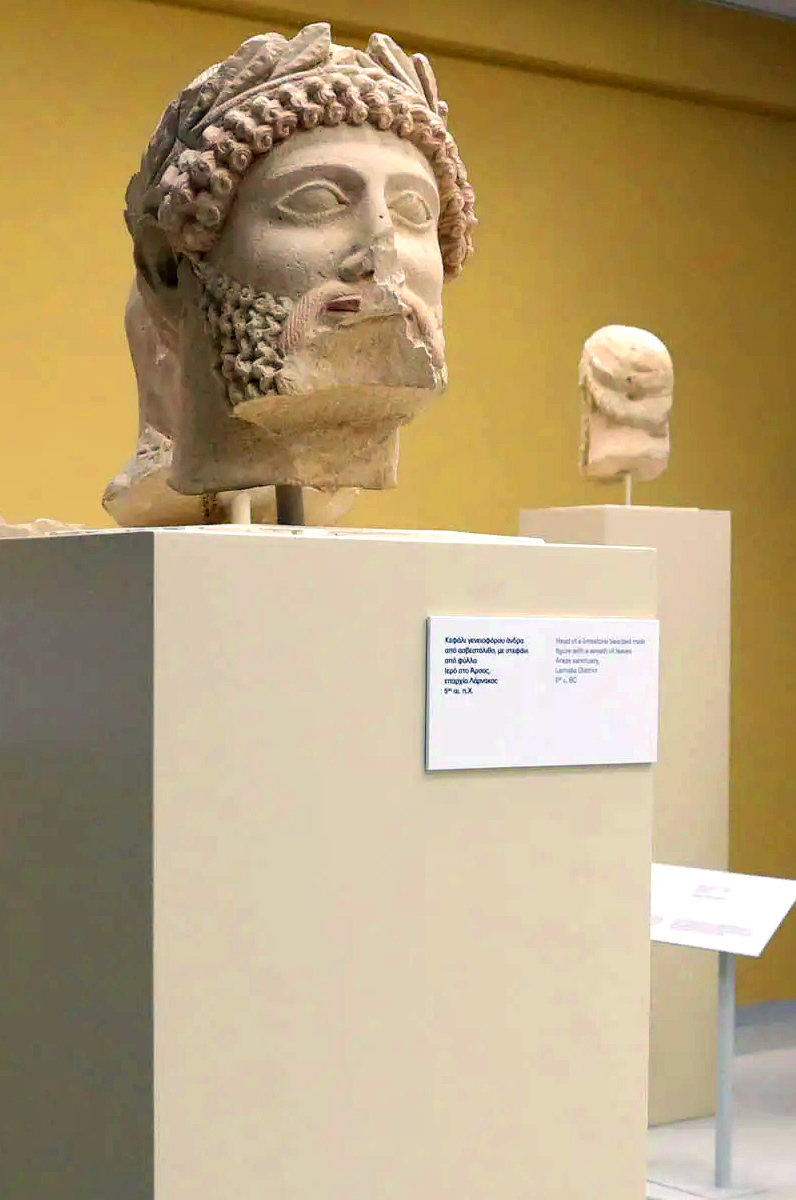
Larnaka District Archaeological Museum houses a large collection of archaeological findings from the district of Larnaka, including the ancient city-kingdom of Kition, and the main Neolithic settlements of Choirokitia and KalavasosThe museum exhibits include artefacts from the Neolithic period, the Copper Era and the Archaic, Classical, Hellenistic and Roman periods. The remains of the ancient port city-kingdom of Kition is just 100 meters to the north of the museum. Kition was first established by the Mycenaean Greeks towards the end of the 13th Century BC, and later on redesigned by the Phoenicians during the 9th Century BC.

Pierides Museum – Bank of Cyprus Cultural Foundation is the oldest private museum in Cyprus, and is housed in the ancestral Pierides family home – a colonial style building built in 1815. The museum’s comprehensive collection was assembled by the Pierides family and includes some of the most representative items of the island’s civilization. The objects on display date from 4000 BC to the 15th Century AD, and are an important testimony to a centuries-old civilization that flourished in Cyprus.

Larnaka Historic Archives Museum is located at the entrance of the Phinikoudes promenade on Europe square and it is housed in a complex of 1881 British colonial buildings. The museum’s collection charts the life in Larnaka through books, documents, artefacts and items that cover politics, religion, professions, arts, science and culture. Municipal Museum of Natural History is located within the grounds of the Municipal Gardens and its park.

Larnaka’s Municipal Museum of Natural History displays a number of thematic collections, including local reptiles, insects, birds, animals, marine life, fossils and rock formations.

Municipal Art Gallery is one of the old 1881 colonial buildings on Europe square, at the entrance of the Phinikoudes promenade. The Municipal Art Gallery regularly hosts thematic exhibitions featuring a wide range of artists from Cyprus and abroad.


Location

Continue reading

Lefkara Village & Mountainous Villages (Orini) of Larnaka

Lefkara Village & Mountainous Villages (Orini) of Larnaka

Lefkara Village & Mountainous Villages

Few Words

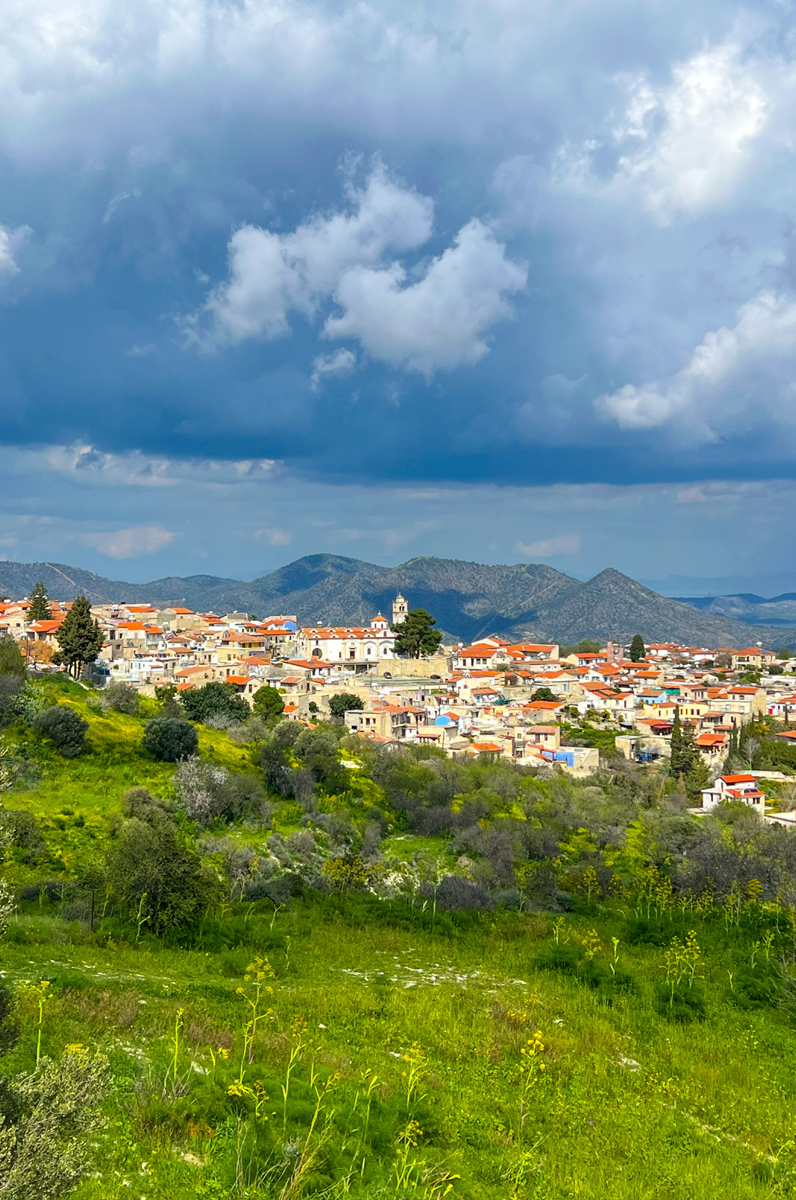
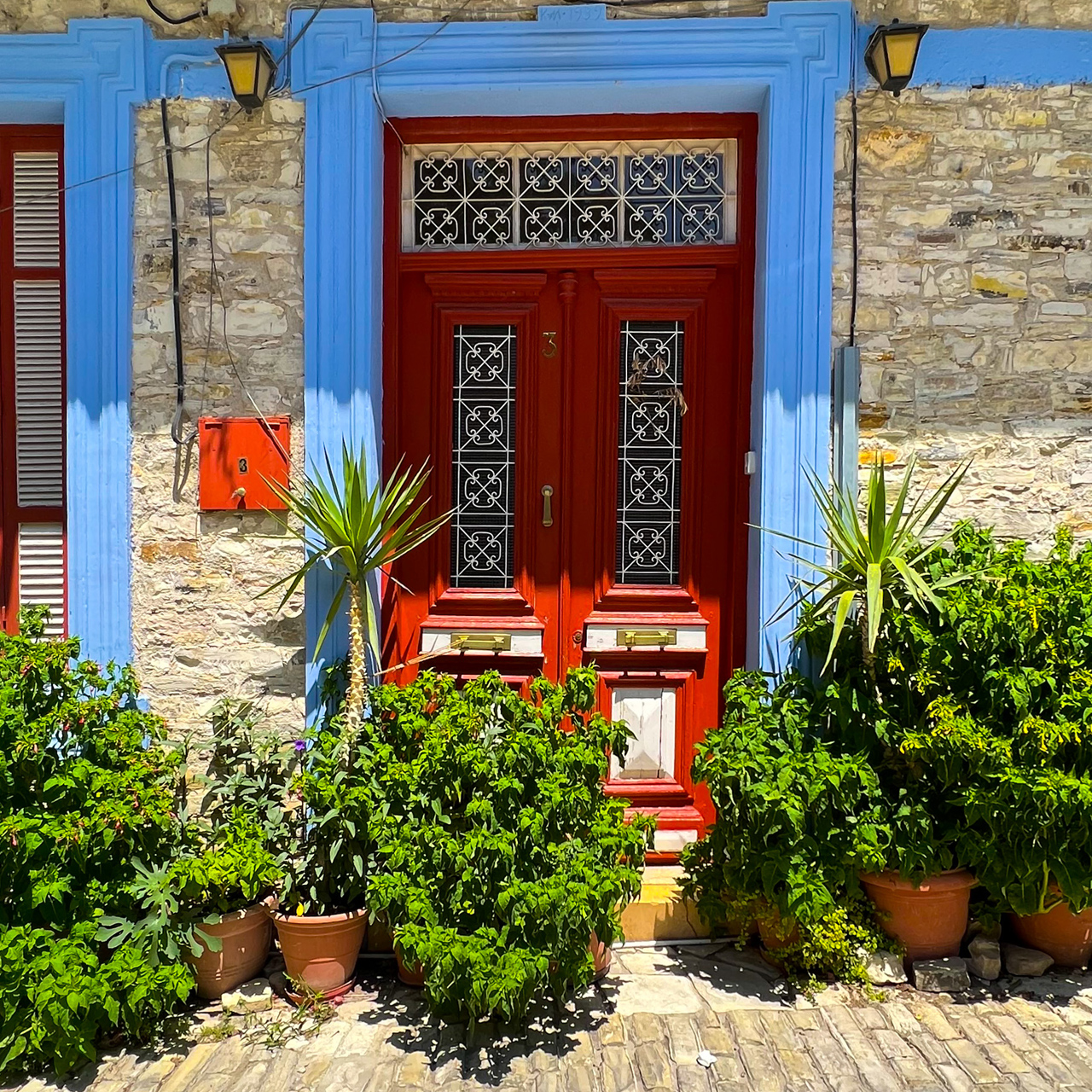
The mountainous village of Lefkara is split into Pano Lefkara and Kato Lefkara (higher and lower Lefkara), and is world-renowned for its traditional handicrafts of lace embroidery and filigree silver. The village is situated at the foot of the Troodos Mountains in the south eastern region, 650 m above sea level and 43 km from Larnaka. The village took its name from the lime stone rocks of the region (Lefka Ori – White Mounts – Lefkara). Its character is very picturesque with narrow, winding streets and traditional architecture of old, terracottaroofed houses. The women of the village are often sat outside their picturesque homes, creating the world renowned ‘Lefkaritika’ lace pieces that have been made in the village since Venetian times and are on the UNESCO Intangible World Heritage List. Among the village’s interesting sites are the Local Ethnological Museum of Traditional Embroidery and Silversmith-work, the old fountain, the old olive mill and Oliva Terra – Ktima Sofokleous, where you can stroll through the olive tree orchards and learn all about the island’s ‘liquid gold’. The village also has beautiful ancient chapels, including the church of Holy Cross (Timios Stavros), and the chapel of Archangelos Michail in Kato Lefkara, with frescoes that date from the 12th and 15th Centuries AD. The Mountainous Villages (Orini) of Larnaka offer a breathtaking change of scenery and atmosphere thanks to its elevation. Here, tradition has been ardently retained, along with local pastimes and small folk-art industries. The stunning environs have remained largely untouched, and nature’s rich palette is further enhanced by traditional architecture and old churches and monasteries. Among the most popular villages to visit are Tochni, Skarinou, Kato Drys, Vavla, Ayioi Vavatsinias, Ora and Odou. All are ideal for visiting on a day trip and offer many varied sights as well as a traditional warm welcome.


Location

Continue reading

Palm Tree Promenade (Phinikoudes) Beach Seafront

Palm Tree Promenade (Phinikoudes)

Palm Tree Promenade (Phinikoudes)

Few Words

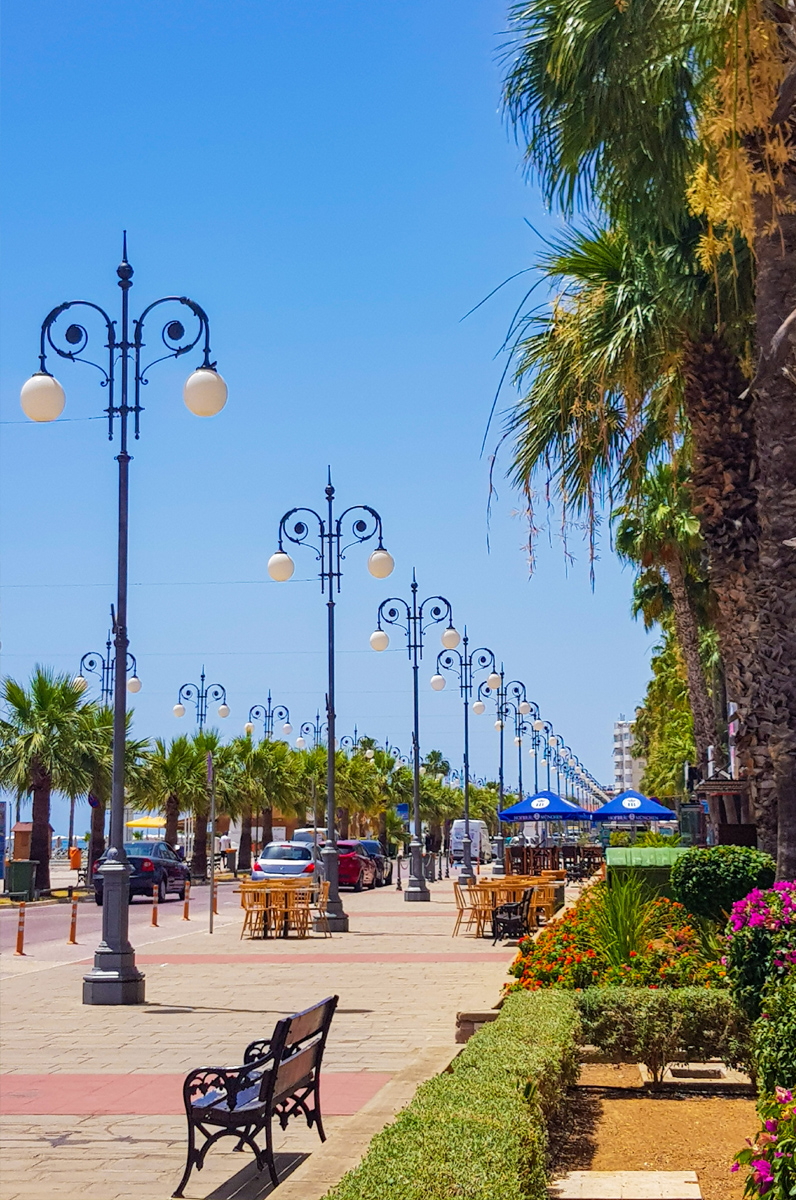
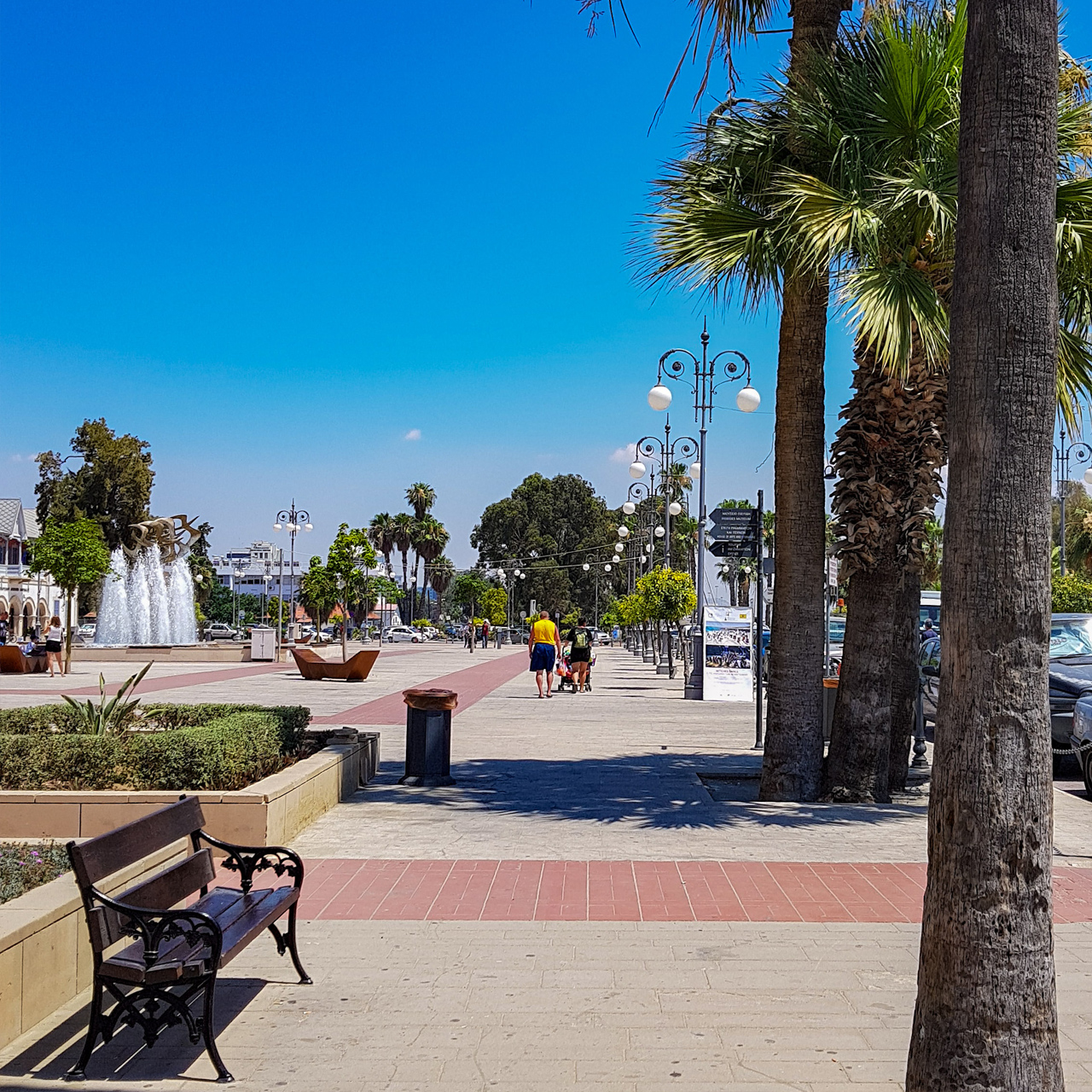
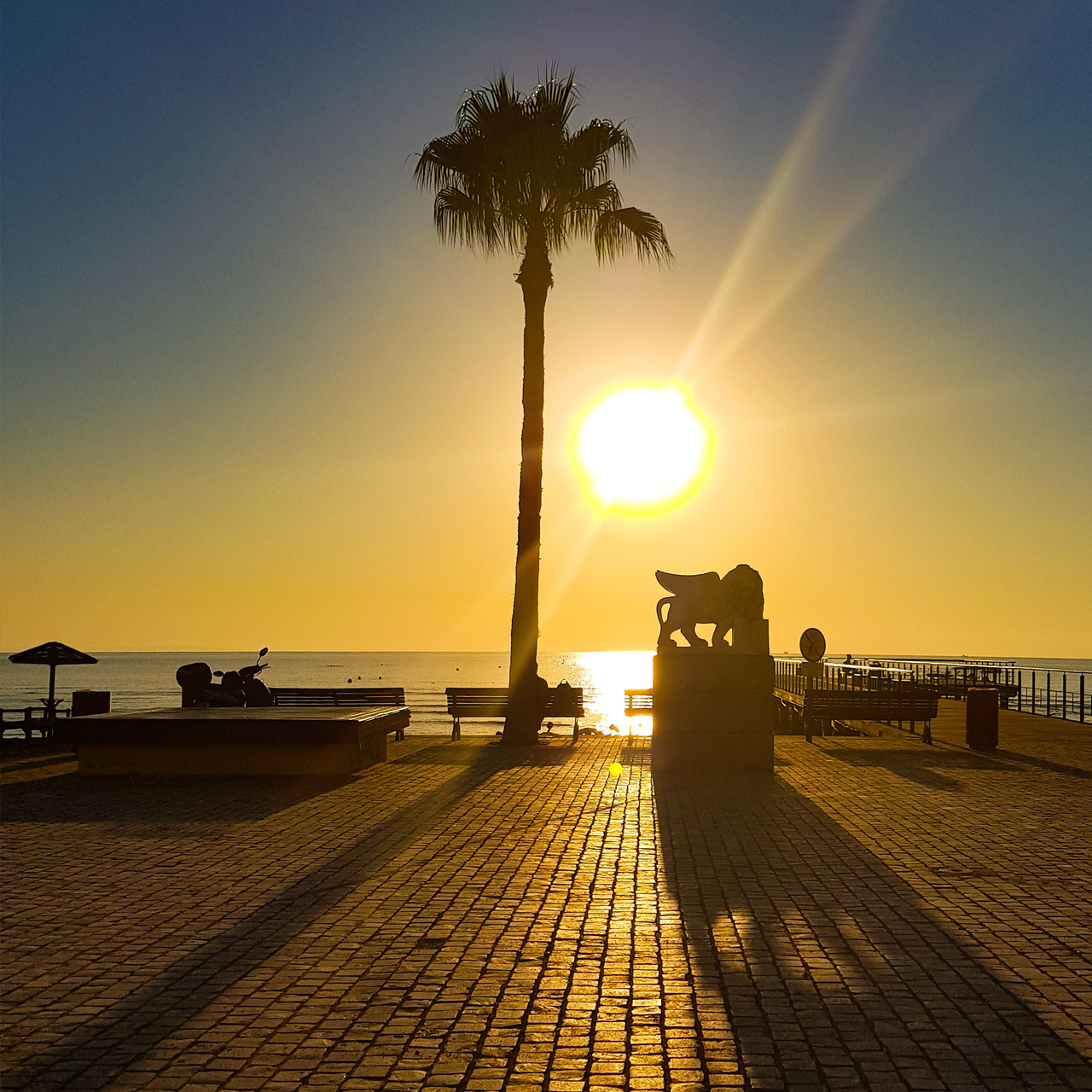
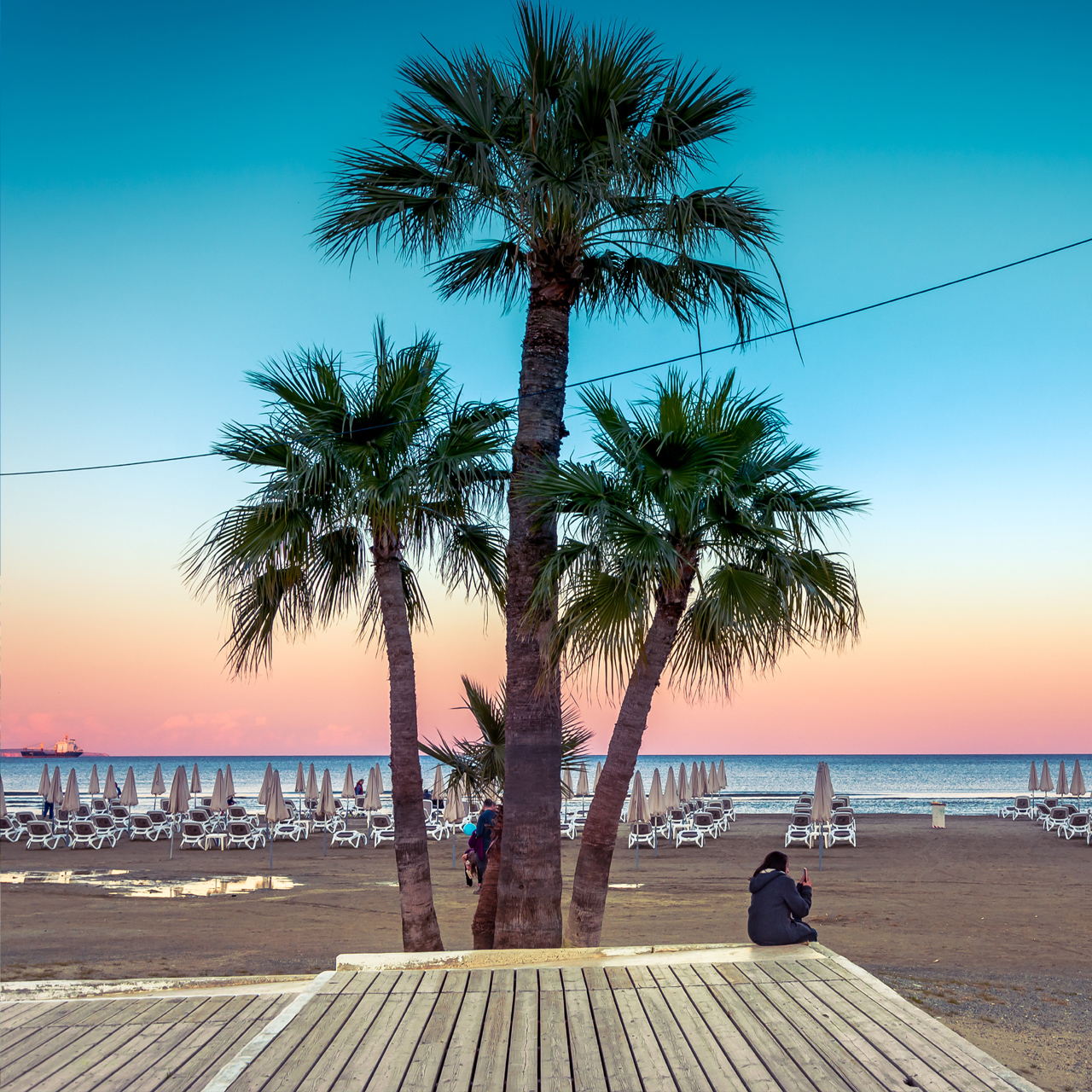
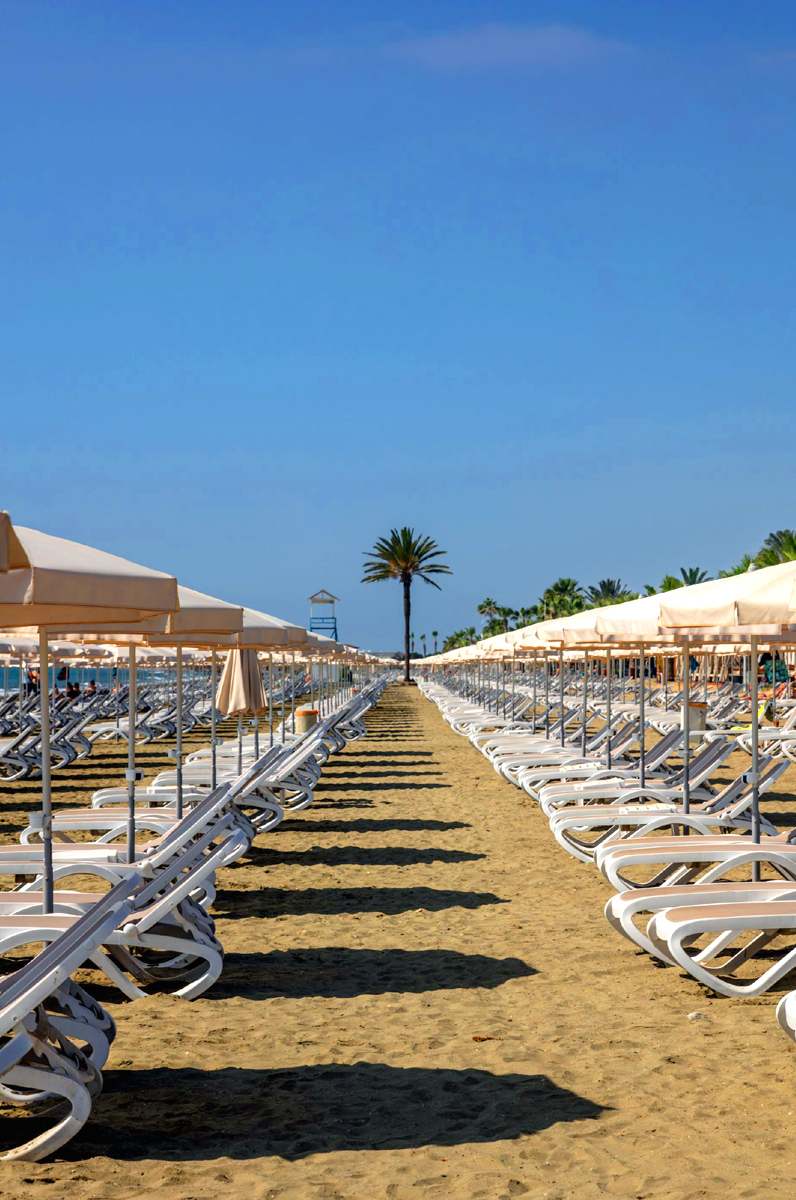
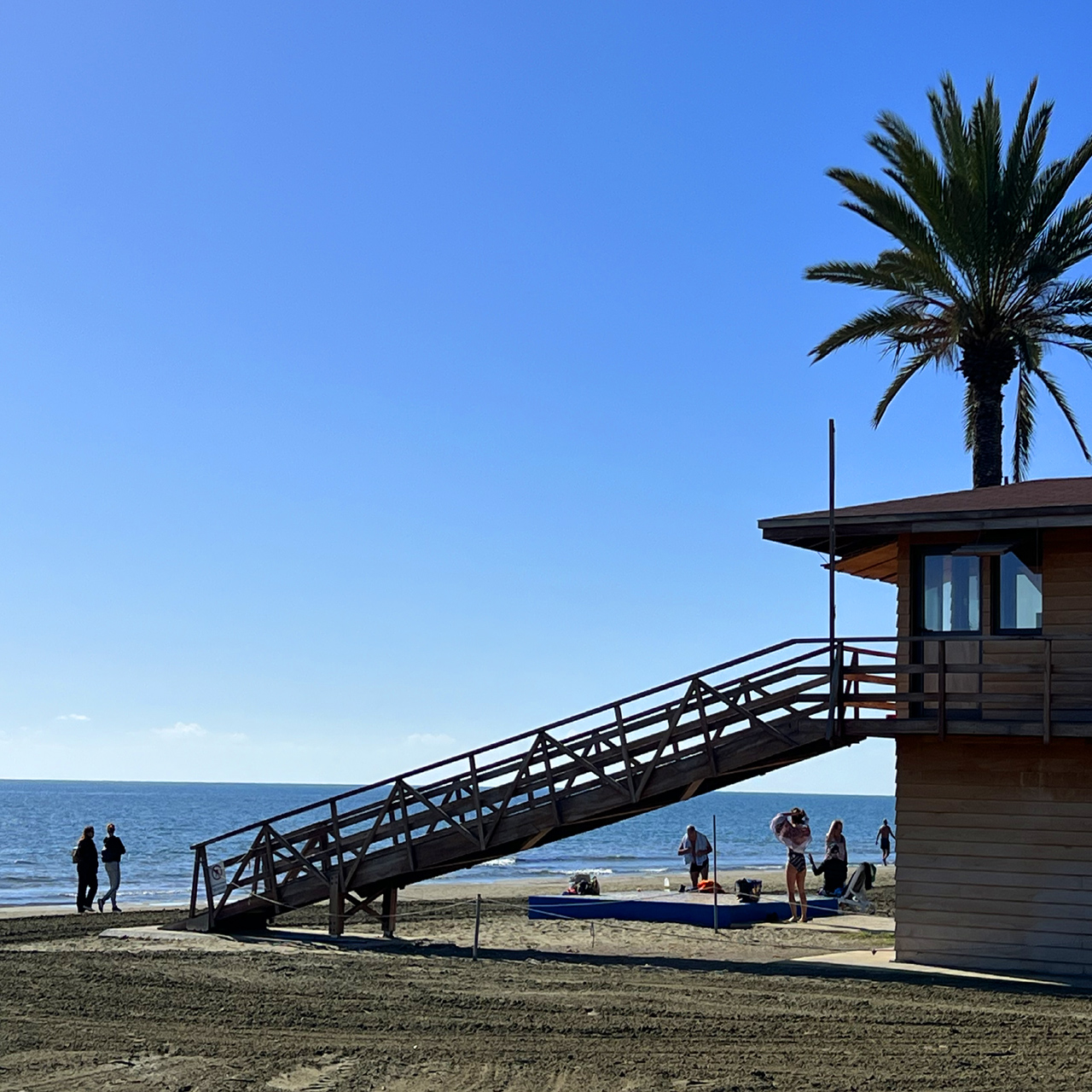
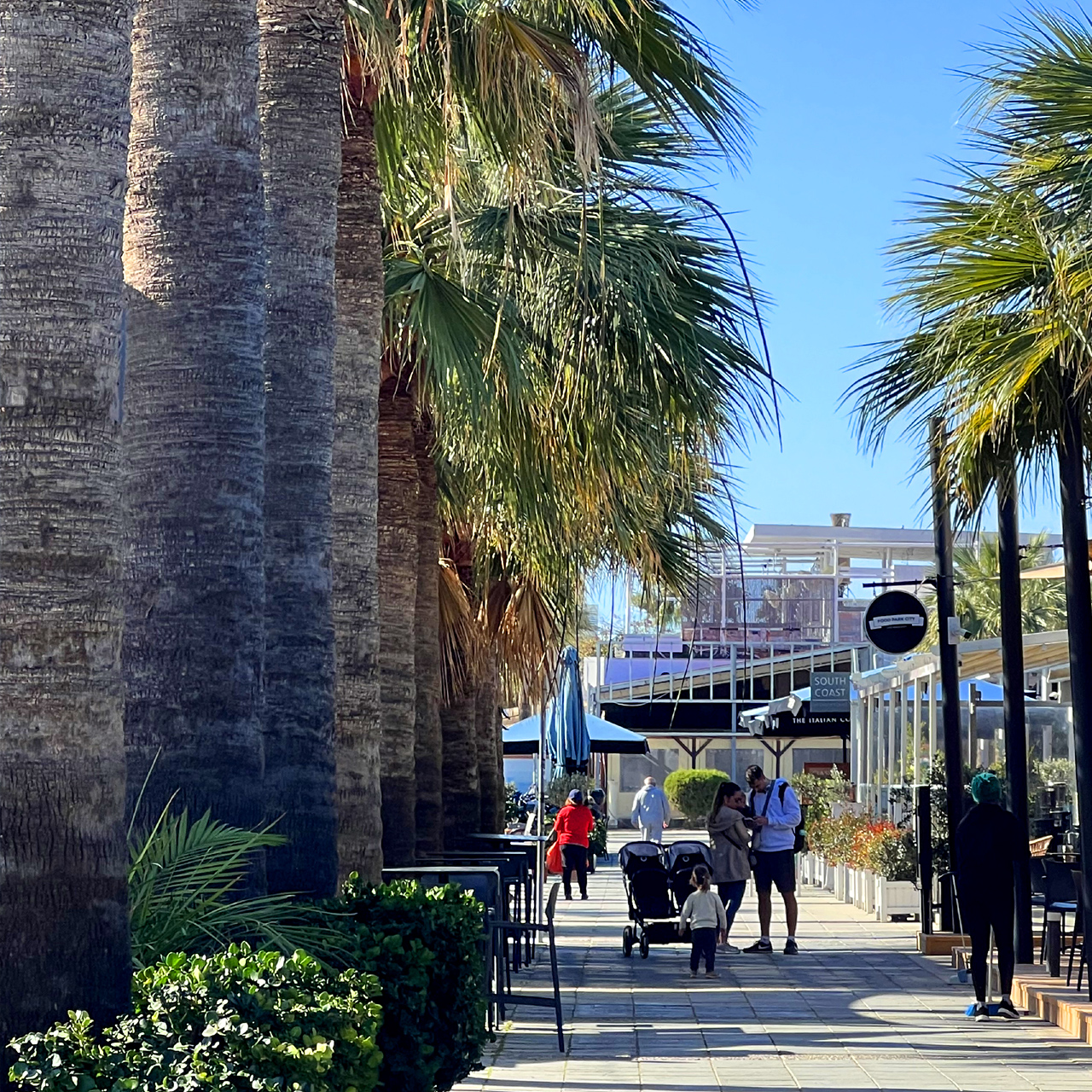
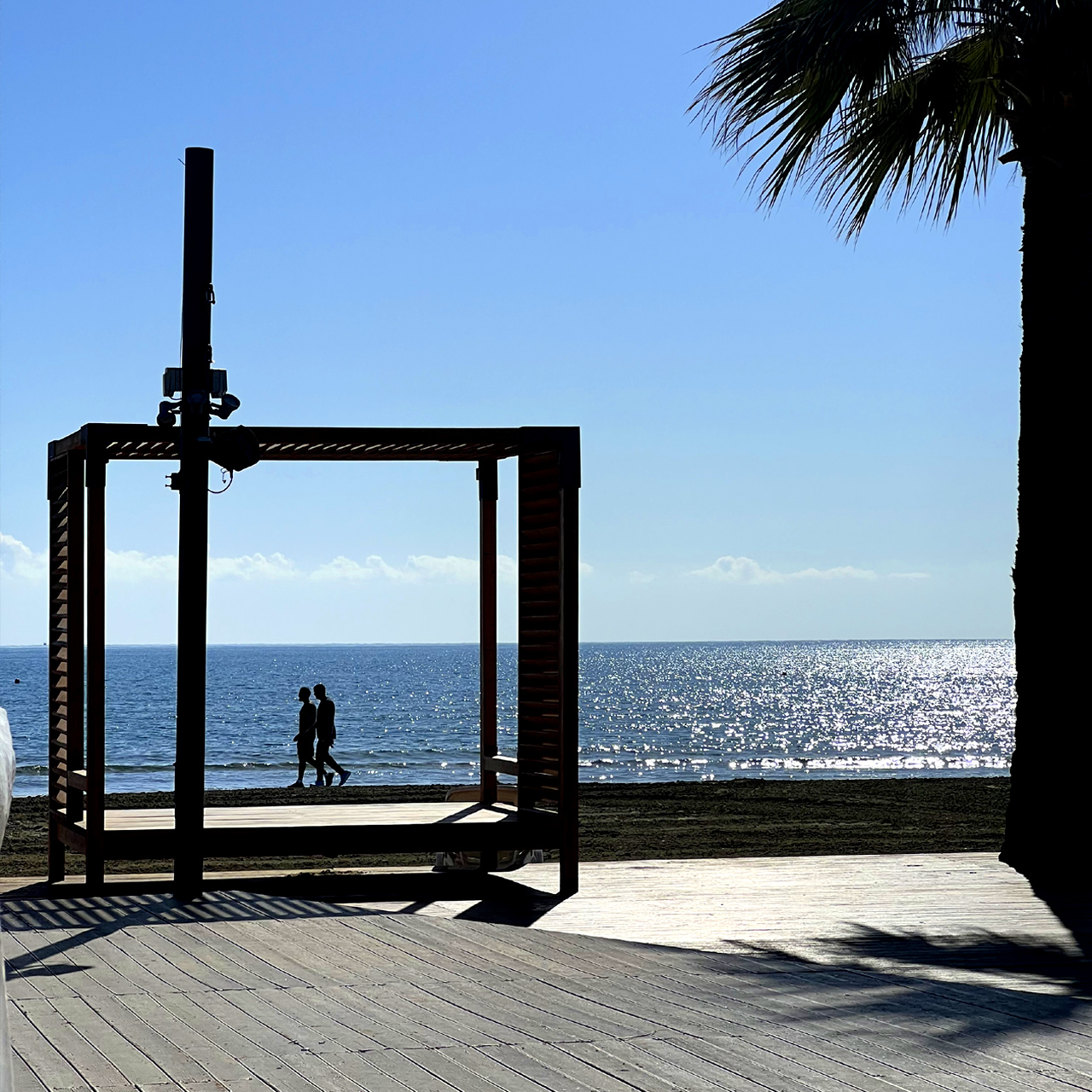
Larnaka’s most famous promenade of Phinikoudes (Palm Tree) is a 600 meter long stretch that combines coast, entertainment and culture along its palm tree lined length. The sands are fine and varying shades of brown and beige, and the sea waters are calm and shallow, flanked by the marina with its pier and fishing harbour at one end, and a second pier and the Medieval Fort at the other. Facilities on the Blue Flag beach include toilets, showers, changing rooms, sun beds, umbrellas, dustbins, recycling bins and beach bars, whilst the strip is also lined with cafes, bars, restaurants, kiosks, hotels and entertainment establishments, as well as benches and abundance of greenery. The beach is home to various water sports, and also hosts major sporting tournaments on its sands, as well as concerts on its Seafront Stage. As such, it attracts all crowds, and is particularly popular for families both during the day and evening.


Location

Continue reading

Mckenzie Beach

Mckenzie Beach

Mckenzie Beach

Few Words

The top hotspot of Cyprus. Located near to the site of Larnaka’s old International Airport, the highly popular Blue Flag Mckenzie Beach is a 1 km long strip with fine sands and calm, clear and shallow sea waters, and abundance of greenery. Facilities on the beach include toilets, showers, changing rooms, sun beds, umbrellas, dustbins and a host of cafes, bars, restaurants and clubs that line the strip, including some of the island’s top nightspots. Due to the location of the beach, it is ideal for plane spotting. There is also a wide array of water sports on offer along the strip including a children’s play area and outdoor exercise equipment. Mckenzie Beach attracts an assortment of visitors, families with children, couples and singles during the day. Whilst in the evening it is renowned as a prime location for the excellent night life, with a wide selection of bars and night clubs to choose from.


Location

Continue reading

Piale Pasha Street

Piale Pasha Street

Piale Pasha Street

Few Words

The street named Piale Pasha is an ideal location to enjoy food at one of the traditional or modern restaurants. You can enjoy a walk by the Mediterranean Sea, whilst being surrounded by the Larnaca Medieval Castle on the one hand and the Mackenzie beach on the other. Recently, this beachside strip has been transformed into a street – literally by the sea, into a picturesque and modernly designed walking path. The street is an extension of Athenon Avenue (Finikoudes) and precedes the famous Mackenzie area. It consists of a road for vehicles, as well as specialized routes for bicycles and pedestrians.


Location

Continue reading

Larnaka Animals Park

Larnaka Animals Park

Larnaka Animals Parks

Few Words

Larnaka Camel Park is located in the Mazotos area of Larnaka, 15 minutes from Larnaka International Airport and centrally located between Larnaka, Limassol and Nicosia. The Park is an ideal place for a family day out as there are play areas for the children, games and many more. At the Camel Park people can observe and learn about the animals that live there such as camels, ostriches, goats, deer, ponies, wallabies, lamas, turtles, fish, a large variety of birds and many more.

Golden Donkeys Farm is located at the village of Skarinou in the Larnaka district. It is the home of more than 170 donkeys. The Farm was built in order to help preserve a key element of Cypriot heritage such as the Cypriot donkey.


Location

Contact Number: +357 24991243

Entrance: €7,00

Opening Hours

Monday – Sunday: 09:00 – 19:00

Continue reading

Choirokoitia Archaeological Site

Choirokoitia Archaeological Site

Choirokoitia Archaeological Site

Few Words

Choirokoitia is an archaeological site in the Larnaka district dating from the Neolithic Age (5.000 BC). The Neolithic period is represented by this settlement and around 20 other similar settlements spread throughout the island. It was listed as a World Heritage Site by Unesco in 1988 and is known as one of the most important and best preserved prehistoric sites of the eastern Mediterranean. The settlement of Choirokoitia is situated on the slope of a hill in the valley of the Maroni River, towards the southern coast of Cyprus around 6 km from the sea. Much of its importance lies in the evidence of an organized functional society in the form of a collective settlement, with surrounding fortifications for communal protection.


Location

Contact Number: +357 24322710

Entrance: €2,50

Opening Hours

September-April, daily: 08:30 – 17:00
April-September, daily: 08:30 – 19:30

Continue reading

Holy Cross (Stavrovouni) Monastery

Holy Cross (Stavrovouni) Monastery

Stavrovouni Monastery (Holy Cross)

Few Words

The Holy Cross Monastery is a Greek Orthodox monastery which stands on the top of a hill called Stavrovouni, 750 meters above sea level. The monastery is one of the few places where one can see a piece of the original Holy Cross. Stavrovouni Monastery was founded by Saint Helena (Saint Constantine’s mother) around 327 AD – 329 AD and therefore it is one of the oldest monasteries in the world. According to a 15th century Cypriot chronicler, Saint Helena went on a pilgrimage to the Holy Land where she discovered the three crosses which Jesus and the two thieves had been crucified. On her return journey to Constantinople, the ship, carrying the Holy Cross, landed in Cyprus during a storm, where it is said to have left a small piece of the Holy Cross behind. Religious history suggests that the Holy Cross was transferred by a miracle to the top of the high hill overnight and that a strong light shone from that peak. Saint Helena decided then to leave a small piece of the Holy Cross there and built a small chapel to commemorate it.


Location

Contact Number: +357 22533630

Opening Hours

September – March:
07:00 – 11:00 / 14:00 – 17:00
April – August:
07:00 – 12:00 / 15:00 – 19:00

Continue reading

Larnaka Medieval Castle

Larnaka Medieval Castle

Larnaka Medieval Castle

Few Words

On the Southern point of the coastal avenue of Larnaka, the Palm tree promenade (Phinikoudes) beach front, stands the Medieval Castle of Larnaka (also known as Larnaka Fort). It was initially built by Lusignan King James during the 14th Century to protect the harbour and the town from the Turks. Other accounts state that the Castle was rebuilt by the Turks during 1625 on the ruins of the original construction. In its present state of conservation the Castle consists of various individual buildings which were all constructed at different times and chronological periods. Today the Castle houses a small museum which exhibits antiquities from Early Christine, Byzantine and Post Byzantine eras, photographs of Byzantine Wall-paintings, representative examples of medieval pottery, cooking utensils, guns, helmets and swords. Just opposite the Castle, stands the Kebir (Buyuk) Tzami Mosque, perhaps the first Ottoman mosque in Cyprus.


Location

Contact Number: +357 24304576

Entrance: €2,50

Opening Hours

September – April
Monday – Friday: 08:00 – 17:00
Saturday & Sunday: 09:30 – 17:00

April – September
Monday – Friday: 08:00 – 19:30
Saturday and Sunday: 09:30 – 19:30

Continue reading

Larnaka Salt Lake & Hala Sultan Tekke

Larnaka Salt Lake & Hala Sultan Tekke Mosque

Larnaka Salt Lake & Hala Sultan Tekke Mosque

Few Words

Larnaka Salt Lake is a complex network of four salt lakes of different sizes to the west of Larnaka, 3 of which are interconnected. These form the second largest Salt Lake in Cyprus after the Limassol Salt Lake. The total surface area of the Salt Lakes add up to 2.2 km². Being situated just off the road leading to Larnaka International Airport it is one of the most distinctive landmarks of Larnaka. It is considered one of the most important wetlands of Cyprus and it has been declared a Natura 2000 site, a specially protected area under the Barcelona Convention and an important migratory Bird area. During the winter the lake fills with water and is home for migrating birds, including thousands of flamingos, wild ducks, water and shore fowls, that remain there between the winter months of November and March. On its bank lies the Hala Sultan Tekke, the 3rd most famous holy shrine within the Islamic world. According to the Islamic religion it houses the tomb of Umm Haram, a close relative of Prophet Muhammad, who died during an Arab siege of Larnaka between 647 AD and 649 AD and was buried there. The mosque complex was built in stages around the tomb during the Ottoman administration of Cyprus in the 18th century.


Location

Continue reading